Global and grassroots perspectives on AI, digital skills, inclusive innovation, youth empowerment and the economic inclusion of grassroots women.
18 September 2026 | Hybrid Session | YEDIS, Osogbo, Nigeria
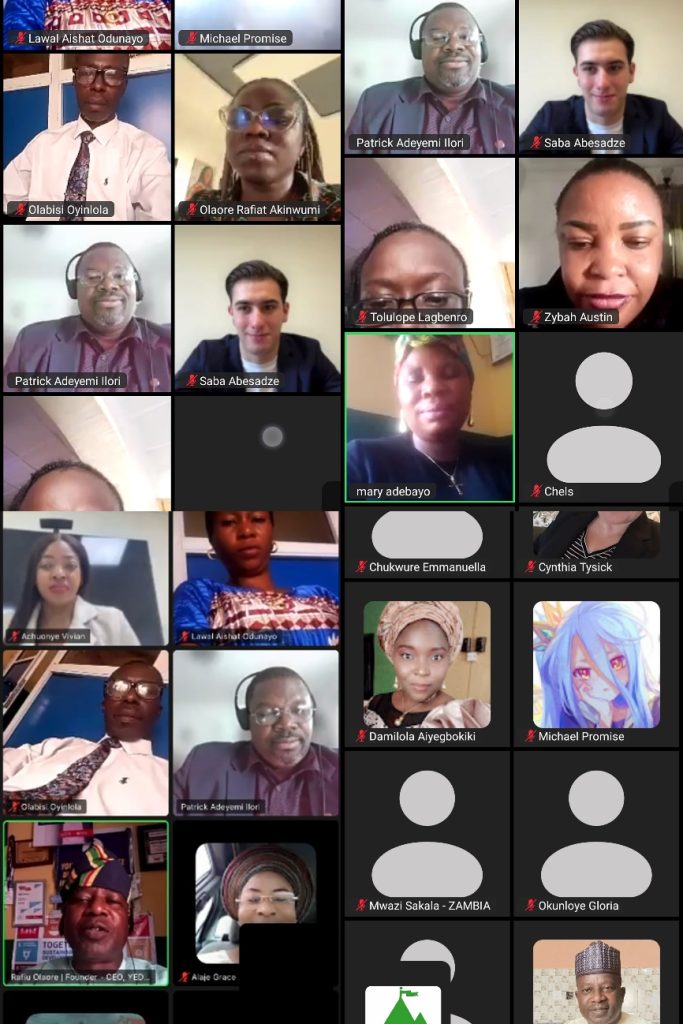
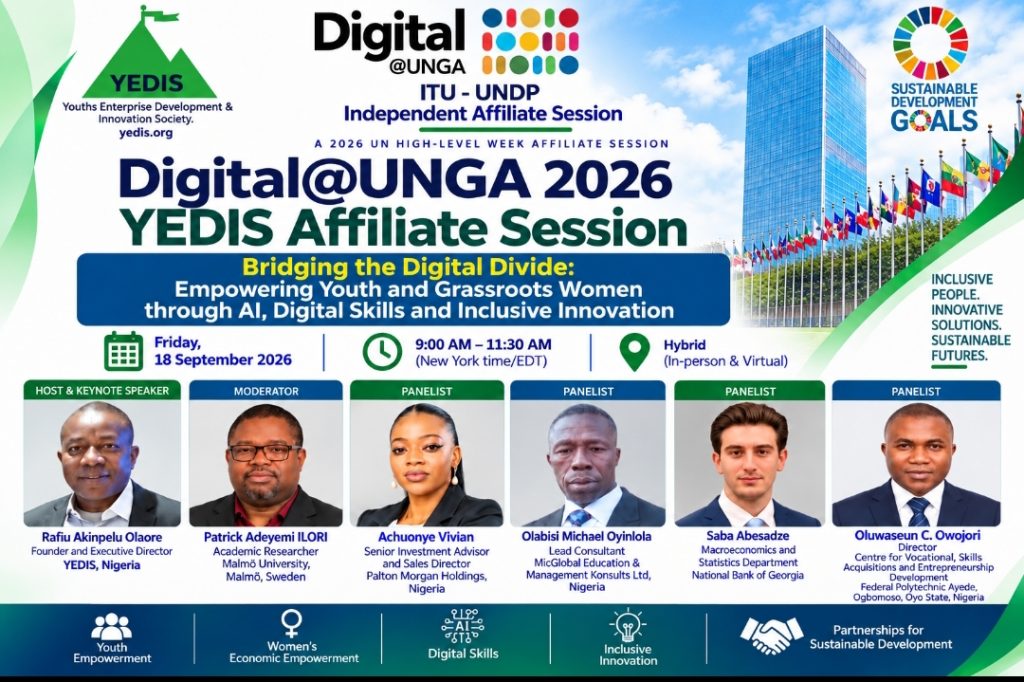
The Youths Enterprise Development & Innovation Society (YEDIS) successfully convened its Digital@UNGA 2026 Independent Affiliate Session on Friday, 18 September 2026, as part of the 2026 Digital@UNGA Affiliate Programme during UN High-Level Week in New York.
The session, organized by YEDIS, from 9:00 AM to 11.30 AM (EDT) brought together practitioners, researchers, entrepreneurs, academics, development stakeholders, young people and women leaders to explore how artificial intelligence, digital skills and inclusive innovation can be translated into practical economic opportunities for young people and grassroots women.
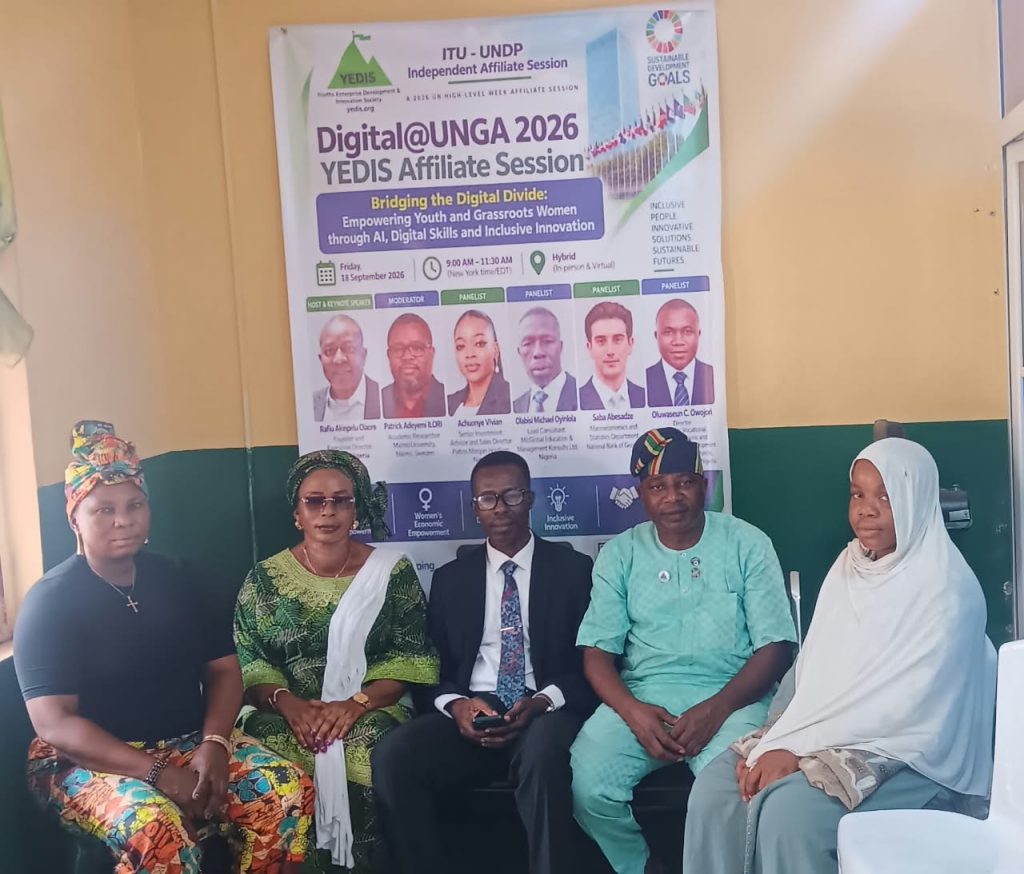
The official Digital@UNGA programme listed the YEDIS session under the theme:
“Bridging the Digital Divide: Empowering Youth and Grassroots Women through AI, Digital Skills and Inclusive Innovation.”
Schedule of events
The session was hosted by Rafiu Akinpelu Olaore, Founder & Executive Director of YEDIS, who also delivered the keynote address.
Opening Keynote: Reframing the Digital Divide
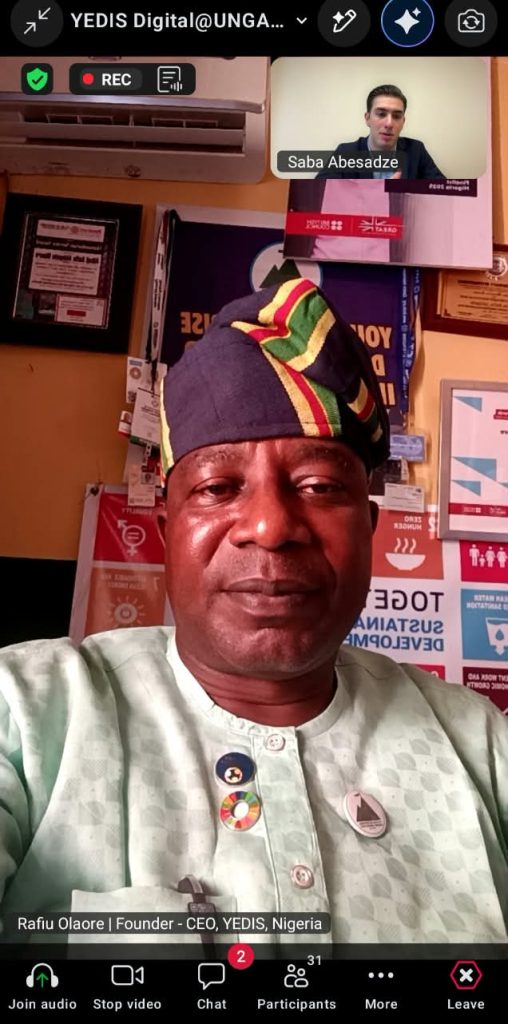
In his opening keynote, Rafiu Akinpelu Olaore argued that the digital divide should not be understood simply as a question of internet connectivity.
He emphasized that the divide also concerns:
- who has the skills to use technology;
- who can afford digital tools and services;
- who can convert technology into economic opportunities;
- who has access to knowledge and markets; and
- who has a voice in shaping the technologies transforming society.
His central message was that digital inclusion must be connected to economic inclusion.
Artificial intelligence, he noted, is already changing how people learn, work, produce, communicate and conduct business. For young entrepreneurs, AI can provide access to knowledge, marketing support, business intelligence and productivity tools. For grassroots women engaged in agriculture and agro-processing, digital technologies can potentially improve access to markets, financial information, weather information, business knowledge and customers.
However, the keynote posed an important question:
Who is being left behind?
If AI and digital technologies primarily benefit people who already possess reliable connectivity, digital skills, finance and education, technological progress could unintentionally deepen existing inequalities.
The challenge, therefore, is not simply to develop increasingly sophisticated technologies, but to ensure that technology is accessible, useful, trusted and inclusive.
From Technology for Its Own Sake to Technology That Solves Problems
Drawing on YEDIS’ grassroots experience, Rafiu Olaore emphasized that underserved communities do not necessarily need technology for technology’s sake.
They need technology that responds to real problems.
A woman producing gari needs access to better markets.
A young entrepreneur needs digital skills that can translate into income.
A small business needs tools that improve productivity.
A farmer needs relevant information at the right time.
And a young person in an underserved community needs more than a smartphone. They need skills, opportunity, mentorship, connectivity and an enabling ecosystem.
The keynote therefore placed economic empowerment at the centre of digital inclusion.
Four Priorities for Bridging the Digital Divide
The keynote identified four broad areas requiring greater attention.
1. Invest in Practical Digital and AI Skills
Digital literacy should go beyond basic computer and smartphone use.
Young people and grassroots entrepreneurs need practical skills that enable them to use AI responsibly for:
- entrepreneurship;
- education;
- agriculture;
- marketing;
- financial management;
- productivity; and
- problem-solving.
2. Take Digital Capacity-Building Beyond Urban Centres
Digital transformation cannot be inclusive if capacity-building remains concentrated in major cities.
The keynote called for community-based approaches that reach:
- rural women;
- young people;
- persons with disabilities;
- informal businesses; and
- other underserved populations.
3. Strengthen Multi-Stakeholder Partnerships
No single institution can bridge the digital divide alone.
Governments, UN agencies, development organizations, technology companies, universities, civil society and the private sector need to work together to connect policy with implementation and global commitments with grassroots realities.
4. Design Inclusion into Innovation from the Beginning
The keynote emphasized that inclusion should not be an afterthought.
Technology developers, policymakers and innovators should ask from the beginning:
Can a rural woman use it?
Can a young person afford it?
Can a person with a disability access it?
Can a small enterprise benefit from it?
Can people trust it?
These questions should become part of the innovation process itself.
Africa’s Opportunity in the AI and Digital Economy
The keynote highlighted Africa’s young population, entrepreneurial energy, creativity and community resilience as important assets in the continent’s digital transformation.
Africa’s digital future, however, should not be limited to importing technologies developed elsewhere.
Young people and communities should be equipped to become creators, entrepreneurs, innovators and decision-makers, rather than remaining only consumers of technology.
The economic empowerment of women was highlighted as particularly significant.
When the digital and economic capacity of a woman entrepreneur is strengthened, the benefits can extend beyond the individual to her household, enterprise, community and local value chain.
Similarly, equipping a young person with relevant digital and entrepreneurial skills can create the possibility not only of employment for that individual but also of employment creation for others.
Panel Discussion: Translating Digital Skills into Economic Opportunity
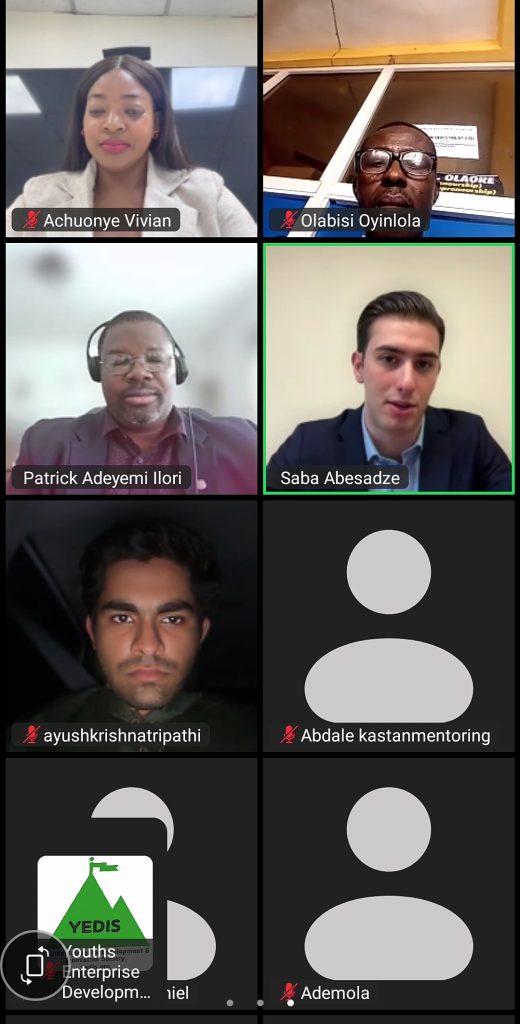
Following the keynote, the session moved into a multi-stakeholder panel discussion moderated by Patrick Adeyemi Ilori of Malmö University, Sweden.
The panel brought together experts from Nigeria, Georgia and the wider international development and private-sector ecosystem.
Patrick Adeyemi Ilori – Moderator
Malmö University, Sweden
Patrick Adeyemi Ilori moderated the discussion, guiding the panel around the central question of how AI and digital skills can move from technological access and training into real economic participation, employment, entrepreneurship and inclusive development.
The discussion explored the practical conditions required to ensure that digital transformation produces measurable benefits for underserved communities.
Achuonye Vivian – Empowering Women Entrepreneurs through AI
Palton Morgan Holdings, Nigeria
Achuonye Vivian addressed the potential of digital skills and AI to strengthen women’s entrepreneurship.
She highlighted practical applications including:
- content creation;
- lead generation;
- business operations;
- marketing; and
- access to business knowledge.
She also identified barriers that continue to limit women’s participation in the digital economy, including access to affordable devices, reliable internet connectivity and digital literacy.
A key message from her contribution was that skills alone are not enough. Digital capabilities must be connected to finance, markets and continuing support if they are to generate meaningful economic outcomes.
The session therefore reinforced the importance of moving women entrepreneurs along a pathway from digital inclusion to economic power.
Saba Abesadze – From Learning AI to Earning with AI
National Bank of Georgia
Saba Abesadze examined the importance of moving beyond digital access towards practical economic opportunities for young people.
He proposed a “learn, build, test, deploy and earn” approach, emphasizing that digital and AI education should ultimately connect learners to real economic activity.
His contribution highlighted the importance of:
- reliable digital infrastructure;
- institutional capacity;
- applied education and skills;
- pathways to employment; and
- opportunities for young people to develop and deploy AI solutions.
The discussion emphasized that AI education should not be approached simply as technology training. It should be connected to economic participation and value creation.
Olabisi Michael Oyinlola – RAAMI and AI-Enabled Agricultural Market Inclusion
MicGlobal Education & Management Konsults Ltd., Nigeria
Olabisi Michael Oyinlola presented the proposed RAAMI – Rural AI Agricultural Market Inclusion Framework.
His presentation focused particularly on rural youth and grassroots women engaged in agriculture and agricultural processing.
A central issue raised was the difference between awareness of digital technology and productive use of digital technology.
Rural communities may increasingly have access to digital devices, but important gaps remain in market information, productive digital use and access to profitable markets.
The RAAMI framework proposes a structured pathway incorporating:
- Community readiness assessment;
- Digital and AI capacity building;
- Market intelligence;
- AI-powered marketing;
- Buyer linkage and aggregation; and
- Evaluation and learning.
The framework provides a potential pathway for connecting digital and AI capacity-building with agricultural market participation.
The session also identified the potential for YEDIS and relevant stakeholders to explore a RAAMI pilot in selected rural communities in Osun State, Nigeria, with particular attention to rural youth and grassroots women.
Oluwaseun C. Owojori – Digital Skills, Education and the NSQF
Federal Polytechnic Ayede, Oyo State, Nigeria
Oluwaseun C. Owojori focused on the importance of strengthening digital and digital-trade skills within Nigeria’s skills-development ecosystem.
The discussion highlighted the need for stronger collaboration among:
- government;
- academia;
- industry;
- civil society; and
- skills-development institutions.
Particular emphasis was placed on practical, project-based and competency-based learning aligned with occupational standards.
The panel also considered the value of internships, mentorships and real-world projects in helping young people transition from training into practical employment and entrepreneurship opportunities.
Women, Culture and Participation in the Digital Economy
Another important strand of the discussion concerned the barriers that can prevent grassroots women from participating fully in digital and AI training.
Participants recognized that technical training alone may not be sufficient where women face cultural expectations, family responsibilities, time constraints or limited community support.
The discussion therefore emphasized community engagement involving:
- families;
- husbands;
- community leaders;
- educational institutions;
- government;
- financial institutions; and
- other local stakeholders.
The objective is to build greater understanding of the economic benefits of women’s digital participation and create an environment in which women can acquire and apply digital skills.
Responsible and Trustworthy AI
The session also addressed the importance of AI safety, trust and responsible use.
As AI becomes more accessible to grassroots communities, users need to understand both its opportunities and risks.
Participants highlighted the importance of incorporating awareness of:
- responsible AI use;
- fraud;
- cyber risks;
- trust; and
- safe digital practices
into digital literacy and AI capacity-building programmes.
This is particularly important for first-time and underserved users who may be more vulnerable to digital risks.
From Global Dialogue to Grassroots Action
A defining feature of the YEDIS session was its focus on moving beyond conversation towards practical implementation.
The discussions identified several areas for continued action and collaboration:
Digital Skills
Expand practical, competency-based AI and digital skills programmes beyond major urban centres.
Women’s Economic Inclusion
Develop community-based approaches that enable grassroots women to participate meaningfully in the digital economy.
Youth Employment and Entrepreneurship
Connect digital and AI training with employment, entrepreneurship, mentorship, internships and market opportunities.
Digital Agriculture
Explore AI-enabled approaches that strengthen agricultural market intelligence, buyer connections and market access.
RAAMI Pilot
Explore the implementation of the Rural AI Agricultural Market Inclusion (RAAMI) Framework in selected rural communities in Osun State.
Responsible AI
Integrate AI safety, trust and responsible-use principles into digital literacy and capacity-building programmes.
Partnerships
Strengthen collaboration among government, academia, private sector, civil society and development partners.
Policy
Promote policies that connect digital transformation with infrastructure, applied education, employment, enterprise development and opportunities for underserved communities.
The YEDIS Framework: Access → Skills → Opportunity
The keynote and panel discussion ultimately converged around a simple but important proposition:
ACCESS → SKILLS → OPPORTUNITY
ACCESS
Affordable, reliable and meaningful digital infrastructure.
SKILLS
The ability to use AI and digital technologies effectively, productively and responsibly.
OPPORTUNITY
The ability to transform digital capabilities into education, employment, entrepreneurship, market access and sustainable livelihoods.
For YEDIS, bridging the digital divide therefore means much more than connecting people to the internet.
It means connecting people to knowledge, skills, markets, finance, mentorship, opportunities and a voice in the future they are helping to build.
Closing Reflections
In his closing remarks, Rafiu Akinpelu Olaore reaffirmed YEDIS’ commitment to ensuring that young people and grassroots women are not left behind in Africa’s AI and digital transformation.
He emphasized that inclusive innovation must begin where challenges are greatest and called for continued collaboration across Africa and beyond.
The session demonstrated that the future of digital transformation should be measured not only by technological advancement but also by whether people and communities are equipped to participate in, benefit from and shape that transformation.
The YEDIS Digital@UNGA 2026 Affiliate Session therefore provided a platform for connecting global conversations around AI and digital transformation with practical grassroots realities in Nigeria and Africa.
YEDIS will continue to engage partners across government, academia, development institutions, private sector and civil society to advance practical initiatives that strengthen youth employment, women’s economic inclusion, digital skills, AI adoption, agricultural market access and inclusive innovation.
🎥 Watch the Session
Full Panel Discussion
YEDIS Digital@UNGA 2026 | Full Panel Session: Bridging the Digital Divide
▶ Watch the Full Panel Session on YouTube
Keynote Address – Rafiu Akinpelu Olaore
Bridging the Digital Divide: From Access to Opportunity
▶ Watch Rafiu Olaore’s Keynote Address
Closing Remarks – Rafiu Akinpelu Olaore
Session Speakers
Rafiu Akinpelu Olaore
Host & Keynote Speaker
Founder & Executive Director, Youths Enterprise Development & Innovation Society (YEDIS)
Patrick Adeyemi Ilori
Moderator
Malmö University, Sweden
Achuonye Vivian
Panelist
Palton Morgan Holdings, Nigeria
Olabisi Michael Oyinlola
Panelist
MicGlobal Education & Management Konsults Ltd., Nigeria
Saba Abesadze
Panelist
National Bank of Georgia
Oluwaseun C. Owojori
Panelist
Federal Polytechnic Ayede, Nigeria
About YEDIS
The Youths Enterprise Development & Innovation Society (YEDIS) is committed to advancing youth empowerment, women’s economic inclusion, entrepreneurship, digital innovation, climate action and sustainable community development.
Through grassroots programmes, partnerships and international engagements, YEDIS works to connect underserved communities with knowledge, skills, technology, markets and opportunities.
YEDIS believes that inclusive innovation must begin where the challenges are greatest.
Access. Skills. Opportunity.
#YEDIS #DigitalUNGA2026 #ITU #UNDP #DigitalInclusion #AI #DigitalSkills #YouthEmpowerment #DigitalFuture #WomenEmpowerment #InclusiveInnovation #DigitalAgriculture #Entrepreneurship #Nigeria #Africa #UNGA81